Texas Hold'em Mistakes You’re Still Making and Fixes
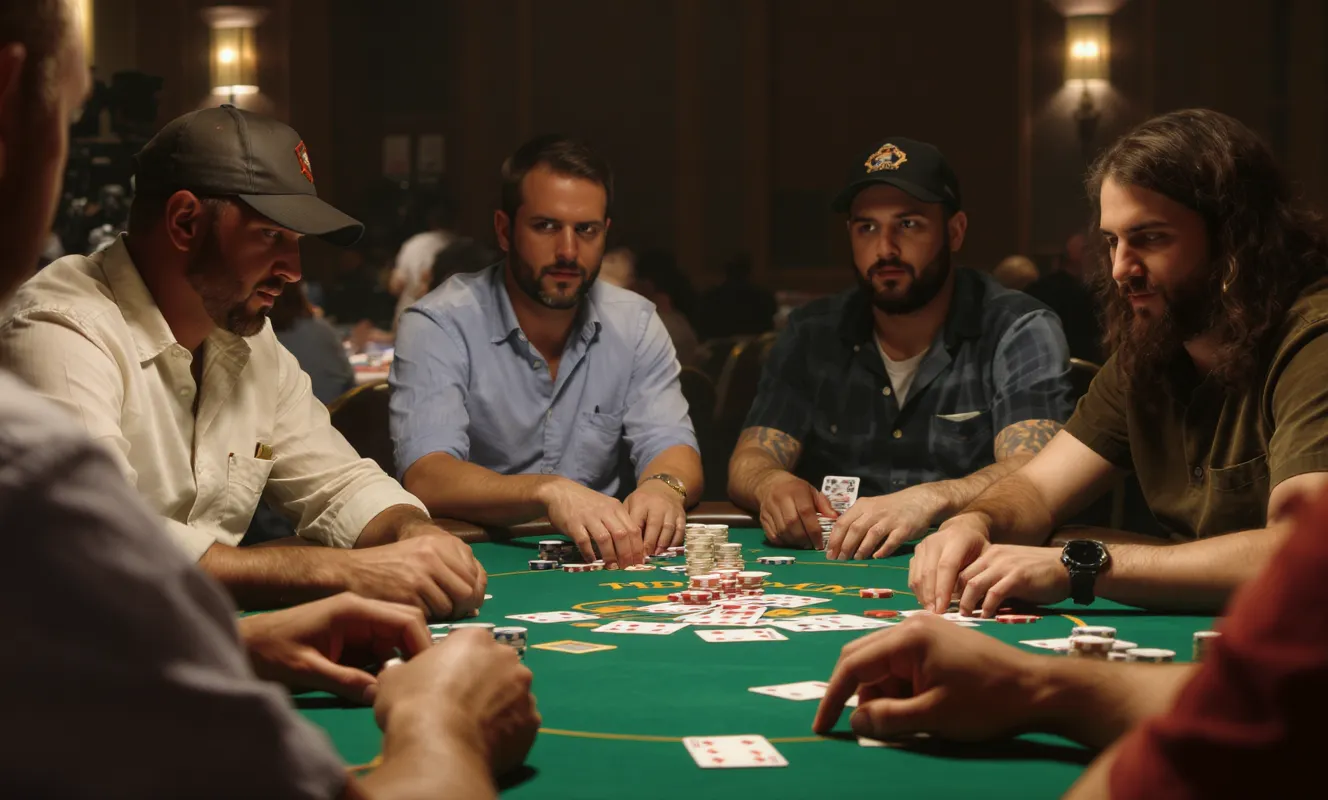
Poker can be as unforgiving as it is thrilling. Whether you’re grinding online cash games or battling through live tournament fields, Texas Hold’em rewards sharp decision-making and punishes costly errors. Yet even experienced players fall into traps that chip away at their edge. In this article, we’ll break down the mistakes you’re probably still making, why they’re so damaging, and — most importantly — how to fix them using proven strategies, tools, and mental game techniques.
We’ll cover everything from pre-flop discipline to emotional control, weaving in actionable poker tips that range from beginner fundamentals to advanced hand range management. By the end, you’ll have a roadmap to cleaner play, better reads, and consistent improvement.
In poker, patience is not just a virtue, it's a profit center.
Playing Too Many Hands Pre-Flop
One of the most common leaks in Hold’em is entering too many pots. Many players — especially in low to mid stakes — can’t resist the temptation to see a flop with weak holdings. The data backs this up: PokerTracker’s 2025 analysis shows recreational players who play more than 30% of starting hands pre-flop average a win rate of -8 BB/100, compared to +3 BB/100 for those who stick to a disciplined 18–22% range.
Why is this such a problem? Weak hands lead to marginal spots post-flop, where you’re often out of position and facing stronger ranges.
| Pre-Flop VPIP | Average Win Rate (BB/100) | Sample Size |
|---|---|---|
| 30%+ | -8 | 500k hands |
| 18-22% | +3 | 500k hands |
To fix this, tighten your starting hand selection. Use structured charts like those from Upswing Poker or integrated within tools like Hand Range Hero. Focus on strong pairs, suited connectors in position, and premium broadway cards. Avoid speculative holdings from early position unless table dynamics justify it.
Overplaying Medium-Strength Hands
Top pair with a weak kicker feels strong — until it’s not. Overplaying these holdings is a silent bankroll killer. The trap is calling big bets without considering board texture, opponent tendencies, or pot odds.
The fix? Contextual thinking. Ask yourself: Is my hand ahead of the opponent’s likely range? Does the board favor their story? If you’re facing aggression on coordinated boards, medium-strength hands often shift from value to bluff-catchers — and sometimes to folds.
Every decision in poker should be made with a purpose. If you don’t know why you’re betting, checking, or folding, you’re just guessing — and guessing loses money.
Acting Too Quickly Without Thinking
Auto-pilot mode is comfortable — and costly. Many players make snap decisions based on habit rather than analysis. Acting too quickly prevents you from processing stack sizes, betting patterns, and range interactions.
Slow down. Take 5–10 seconds before acting, especially in complex spots. Develop a mental checklist: position, stack depth, opponent profile, pot odds, and potential future streets. This small habit shift can dramatically improve decision quality.
Ignoring Position
Position is power in poker. Acting last gives you more information and control over pot size. Yet many players play marginal hands from early position as if they were on the button.
Upswing Poker’s 2025 data shows players who raise first-in from late position at least 40% of the time win 25% more hands than passive late-position players. The fix: widen your range in late position, tighten up early, and exploit opponents who do the opposite.
Tilt and Emotional Decisions
Pro Tip
Tilt isn’t just raging after a bad beat — it’s any emotional deviation from optimal play. Chasing losses, overbluffing, or folding too much after a scare card are all symptoms.
Implement stop-loss limits for each session. If you hit a certain buy-in loss, step away. Use mindfulness techniques like deep breathing or short breaks to reset. For deeper work, mental game coaching can help you maintain composure under pressure.
For more on mental resilience, check out Mastering the Mental Game: Strategies for Poker Success.
Misusing Hand Ranges
Advanced players know hand ranges are the backbone of poker strategy. Misjudging your own range or misassigning an opponent’s can lead to disastrous calls or folds.
If you’re unsure how to structure ranges by position and stack size, study with tools like Hand Range Hero or review Mastering Advanced Hand Range Techniques for Competitive Poker Play. Regular drills help you internalize optimal ranges.
Poor Bet Sizing
Bet sizing isn’t just about the pot — it’s about the story you tell. Many players bet too small with strong hands, giving cheap draws, or too big with bluffs, scaring away folds.
Match your bet size to your objective. With value hands, size up to charge draws. With bluffs, choose sizes that apply maximum fold pressure without committing too much.
Failing to Adapt to Opponents
Poker is a dynamic game. Sticking rigidly to one style makes you predictable. Pay attention to player types — loose-aggressive, tight-passive — and adjust accordingly.
Loose opponents: tighten up and value bet more. Tight opponents: widen your bluffing range and steal blinds aggressively.
Neglecting Off-Table Study
Improvement doesn’t happen only at the felt. Reviewing hand histories, running simulations, and engaging in community discussions accelerate growth.
| Study Method | Win Rate Improvement | Time Frame |
|---|---|---|
| Hand Reviews | +3 BB/100 | 3 months |
| Range Drills | +4 BB/100 | 4 months |
| Community Sessions | +5 BB/100 | 6 months |
Joining study groups or using tracking software like PokerTracker to analyze your play can reveal leaks invisible during live sessions.
Conclusion
Texas Hold’em mastery is about consistent, disciplined execution. The biggest leaks — from loose pre-flop play to emotional tilt — are fixable with structured study, data-driven adjustments, and mental resilience. By tightening ranges, respecting position, sizing bets strategically, and committing to off-table work, you can transform your game.
In 2025, tools like Hand Range Hero make this process easier than ever, blending quizzes, tracking, and community support. Start with the fixes outlined here, engage with advanced resources, and watch your edge grow. Poker rewards those who blend patience with precision — make sure you’re one of them.
For a deeper dive into evolving strategies, see Exploring the Latest Trends in Competitive Poker Gaming.